Ski maintenance / From the shop
When & Why to Tune Your Skis
Understanding ski edges, base structure, waxing, and the maintenance that keeps your equipment performing.
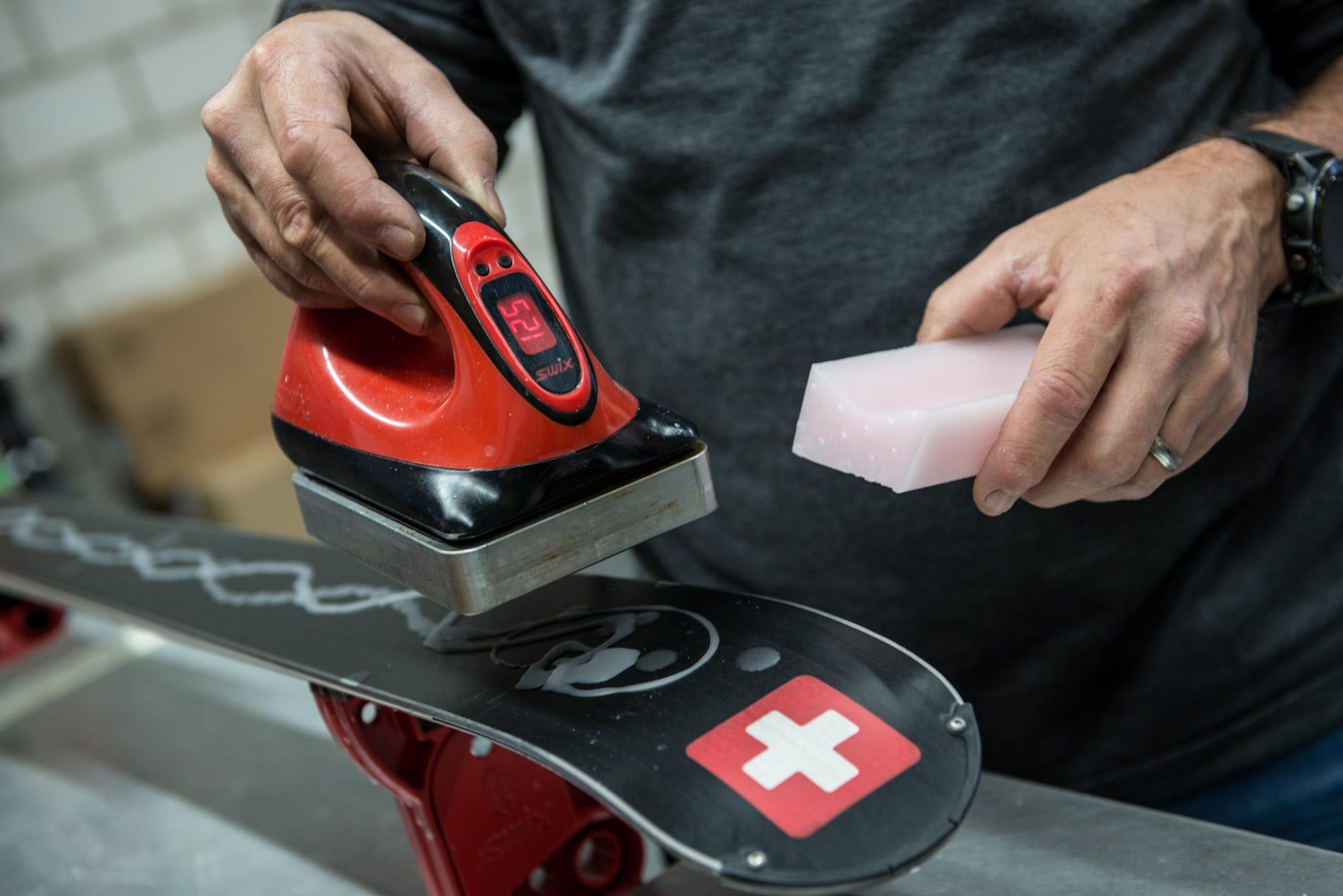
A good pair of skis can last for years, but how they perform depends on more than their design. Every day on snow gradually changes the condition of their edges and bases.
Firm snow wears on steel edges. Abrasive conditions wear away wax. Rocks and debris can leave scratches that affect how a ski moves across the snow. Tuning addresses that wearbut not every ski needs the same attention.
Where the ski meets the snow
A ski's performance depends heavily on two contact surfaces: its steel edges and its polyethylene base. Edges help the ski grip during turns; the base helps it glide. Each responds differently to changing conditions.
On firm, icy Midwestern slopes, edge condition can make a noticeable difference in how confidently a ski holds a turn. In softer or wetter snow, the condition and texture of the base become especially important to glide.
Maintenance isn't simply about making skis faster. It's about keeping their behavior predictable.
Why sharp edges matter
When you tip a ski onto its edge, the steel bites into the snow and resists sideways movement. That grip helps the ski carve rather than skid through a turn.
Repeated contact with hard snow gradually rounds the edge. Rocks and debris can create burrs or damaged spots. You may notice dull edges when skis slip unexpectedly on firm snow, feel less secure through a turn, or require more effort to hold a line.
Sharpening restores a clean, consistent edge. Technicians also consider base and side-edge angles, which influence how readily the ski engages and how firmly it grips.
Sharper is not automatically better. Edge preparation should suit the ski, the skier, and the conditions. Every sharpening removes a little steel, so the goal is appropriate maintenancenot unnecessary material removal.
What is base structure?
Look closely at the underside of a ski and you may notice a pattern of fine lines or grooves. This is called base structure.
As a ski travels over snow, friction and pressure can contribute to a very thin film of moisture at the contact surface. That film can assist glide, but excess water can also create suction and slow the ski down.
Base structure helps manage moisture beneath the ski. Finer patterns are generally associated with colder, drier conditions; coarser patterns can help with wetter snow. The ideal structure also depends on snow texture and the ski's intended use.
Professional base grinding can restore a consistent running surface and renew its texture when wear or damage warrants it. It is not something skis need after every outing: grinding removes base material, so it should be done selectively.
Light cosmetic marks are normal. Deeper gouges may require base repair before the surface can be properly finished. Damage near the edge or exposing internal material should be inspected rather than ignored.
The science of ski wax
Most alpine skis use bases made from ultra-high-molecular-weight polyethylene, often called P-Tex. Wax helps maintain the gliding surface and can reduce friction under suitable conditions.
Snow temperature matters, but so do moisture, crystal shape, and how old or compacted the snow is. Fresh cold snow behaves differently from wet spring snow. That's why waxes are formulated for different temperature ranges.
Temperature-specific waxing means choosing a formulation suited to the snow a skier expects to encounter, rather than treating all snow as identical.
Hot wax can be applied by hand or with dedicated equipment. After application, excess surface wax is removed and the base is finished so its structure remains effective. Neither method is universally superior; preparation, wax choice, and finishing all matter.
How often should skis be tuned?
There is no single schedule for every skier. Someone carving hard groomers every weekend puts different demands on their edges than someone skiing occasional soft-snow days out West.
| Maintenance | Practical starting point |
|---|---|
| Waxing | Consider after roughly 5 to 10 ski days, sooner in abrasive snow or when glide deteriorates. |
| Edge inspection | Check regularly, especially after icy days or contact with rocks. |
| Full tune | As needed based on base condition, edge wear, damage, and performancenot a fixed interval. |
These are general guidelines, not service deadlines. Conditions, ski construction, and use can change the appropriate interval.
Five signs your skis need attention
- They don't glide as smoothly. Unusually slow skis on flats may be telling you the wax or base needs attention.
- The edges don't hold consistently. Unexpected slipping on firm snow can point to dull or damaged edges, though technique and conditions also matter.
- The bases look pale or chalky. Whitish areas, especially near the edges, can indicate abrasion or wear.
- You see deep scratches or gouges. Minor marks are common; deeper damage may need professional repair.
- The skis feel unpredictable. Burrs, uneven edge condition, or base damage can contribute to inconsistent behavior.
What happens during a full tune?
A full tune begins with an inspection. A technician looks for edge damage, worn base areas, scratches, and repairs that may be needed before finishing work begins.
Depending on the condition of the ski, the process may include base repair, grinding and structuring, edge sharpening, and hot waxing. The work should restore a consistent running surface and dependable edge grip without removing more material than necessary.
A ski with a healthy base might need only fresh wax and edge maintenance. Another with substantial wear or damage may benefit from more extensive work. Those are different needs, not simply different levels of the same service.
Taking care of your skis between trips
Dry your skis after skiing, especially around the steel edges, to help prevent rust. Avoid leaving them wet inside a closed ski bag. Check for rough edge spots and base damage before your next trip.
At the end of the season, clean and dry the skis and store them somewhere cool and dry. A protective layer of storage wax can help preserve the bases during the off-season.
Above all, pay attention to how your skis feel. Changes in grip, glide, and consistency often tell you more than a calendar can.
A little maintenance goes a long way. Well-maintained skis won't replace good technique, but they can make your equipment more predictable and enjoyable. Understanding what your edges, bases, and wax actually do helps you recognize when attention is worthwhileand when it isn't.